Các công cụ AI humanizer tốt nhất năm 2026, được thử nghiệm trên văn bản học thuật
Chúng tôi đã thử nghiệm các công cụ nhân hóa AI tốt nhất năm 2026 trên văn bản học thuật: điểm phát hiện, giọng văn học thuật, xử lý trích dẫn và bảo vệ bài viết nghiên cứu.
Chúng tôi đã giao cùng một nhiệm vụ cho một bộ công cụ nhân hóa văn bản AI: lấy một đoạn phương pháp nghiên cứu dài 600 từ do AI tạo ra về một thử nghiệm đối chứng ngẫu nhiên và làm cho nó không thể bị phát hiện, mà không làm hỏng dù chỉ một trích dẫn, dùng sai bất kỳ thuật ngữ kỹ thuật nào, hoặc hạ thấp giọng văn học thuật xuống dưới chất lượng của một tạp chí.
Ba công cụ trong số đó đã thất bại ngay lập tức.
Thị trường công cụ nhân hóa AI đã bùng nổ trong năm qua, và hàng chục công cụ hiện nay hứa hẹn sẽ làm cho văn bản AI trở nên không thể phát hiện. Đối với nhà nghiên cứu, 'không thể phát hiện' thậm chí còn chưa phải là một nửa công việc. Văn bản đã được nhân hóa của bạn cũng cần phải chính xác, được trích dẫn đúng cách, và được viết ở mức độ có thể vượt qua bình duyệt, đây là một bài kiểm tra khó hơn bất kỳ trình phát hiện nào.
Hướng dẫn này bao gồm những AI humanizer tốt nhất năm 2026, với văn bản học thuật làm chuẩn đối chiếu. Chúng tôi đã thử nghiệm trong phòng lab các công cụ hàng đầu trên những mẫu học thuật thực tế và chấm điểm chúng theo một rubric đã công bố. Đối với phần còn lại của thị trường, chúng tôi đánh giá từng công cụ theo cùng các tiêu chí học thuật đó, dựa trên hành vi được tài liệu hóa, các gói dịch vụ đã công bố, và các báo cáo thử nghiệm độc lập. Có một mô thức nhất quán trên toàn thị trường: gần như mọi công cụ ở đây đều là trình viết lại mục đích chung, được xây dựng cho blog và nội dung marketing.
ProofreaderPro.ai là ngoại lệ, được huấn luyện trên các bài báo nghiên cứu do con người viết và đã qua bình duyệt, đó là lý do nó xử lý các trích dẫn APA và IEEE dạng số, các thuật ngữ cốt lõi của từng ngành, ngữ pháp, và giọng văn học thuật như những yêu cầu hàng đầu chứ không phải các trường hợp ngoại lệ. Nó được xây dựng với định hướng học thuật ngay từ đầu, bởi các nhà nghiên cứu đang gặp khó khăn trong việc tìm một humanizer thực sự xử lý đúng trích dẫn và bảo toàn các thuật ngữ then chốt vốn thiết yếu đối với chính nghiên cứu. Trước khi nó được xây dựng, các humanizer sẵn có sẽ phá hủy trích dẫn và thuật ngữ then chốt, thêm lỗi ngữ pháp, và làm loãng tính trang trọng của văn xuôi bằng những từ ngữ giao tiếp đời thường như 'big' và 'very', vốn bị cấm trong văn viết học thuật.
Cập nhật gần đây: Các số liệu benchmark của chúng tôi
Trên một bộ ngữ liệu học thuật gồm 2,000 tài liệu, công cụ humanizer của ProofreaderPro đã vượt Turnitin AI trên tới 92.33% tài liệu, Originality.ai trên tới 89.12%, và GPTZero trên tới 87.91%, với độ trung thành ngữ nghĩa luôn trên 94%, cùng ngữ pháp sạch.
| Tool | Turnitin AI | Originality.ai | GPTZero |
|---|---|---|---|
| ProofreaderPro.ai | up to 92.33% | up to 89.12% | up to 87.91% |
Đây là những con số detector duy nhất trong bài viết này lấy từ bộ ngữ liệu của chính chúng tôi.
Cách chúng tôi kiểm thử: phương pháp và tiêu chí chấm điểm
Chúng tôi đã kiểm thử trong phòng thí nghiệm các công cụ humanizer AI được chọn vì mức độ phổ biến trên thị trường, các tuyên bố tiếp thị học thuật và đánh giá của người dùng từ các cộng đồng nghiên cứu: ProofreaderPro.ai, Undetectable.ai, WriteHuman, HIX Bypass, Humbot, và các công cụ khác.
Với mỗi công cụ, chúng tôi chạy 10 mẫu văn bản học thuật do AI tạo, bao gồm các phần phương pháp, tổng quan tài liệu, phần thảo luận và tóm tắt. Mỗi mẫu dài 500–800 từ, được tạo bằng GPT5.4 với các prompt học thuật.
Chúng tôi chấm từng công cụ đã kiểm thử trong phòng thí nghiệm theo năm tiêu chí:
Tỷ lệ vượt qua phát hiện: bao nhiêu phần trăm mẫu đã humanize đạt dưới 20% AI trên Turnitin, GPTZero và Originality.ai? Chúng tôi lấy trung bình trên cả ba bộ phát hiện.
Bảo toàn giọng điệu học thuật: đầu ra có duy trì được văn phong học thuật trang trọng không? Chúng tôi có hai nhà nghiên cứu cấp tiến sĩ độc lập chấm từng đầu ra theo thang 1–5 về mức độ phù hợp của giọng điệu.
Xử lý trích dẫn và tài liệu tham khảo: các trích dẫn trong văn bản có còn nguyên vẹn không? Định dạng danh mục tài liệu tham khảo có được giữ nguyên không? Bất kỳ trích dẫn nào bị làm sai lệch đều bị trừ điểm tự động.
Độ chính xác của thuật ngữ chuyên môn: công cụ có giữ nguyên hoặc xử lý đúng các thuật ngữ đặc thù của lĩnh vực không? Ví dụ, thay "multicollinearity" bằng "multiple connections" là không chấp nhận được.
Chất lượng ngữ pháp: đầu ra có giữ được sự chuẩn xác về ngữ pháp không, hay bản viết lại đã tạo ra lỗi mới? Chúng tôi kiểm tra từng mẫu bằng LanguageTool và đọc lại thủ công.
Mỗi tiêu chí được chấm trên 5 điểm và có trọng số ngang nhau, tối đa là 25 điểm. Các công cụ đã kiểm thử trong phòng thí nghiệm mang điểm số đo lường được. Các công cụ chúng tôi không kiểm thử trong phòng thí nghiệm sẽ dùng điểm số assessed thay thế, chúng tôi chấm chúng theo cùng một rubric dựa trên hành vi đã được ghi nhận, các gói dịch vụ được công bố, và các báo cáo kiểm thử độc lập, và các bảng điểm bên dưới của chúng được đánh dấu là assessed.
1. ProofreaderPro.ai: tốt nhất cho văn bản học thuật
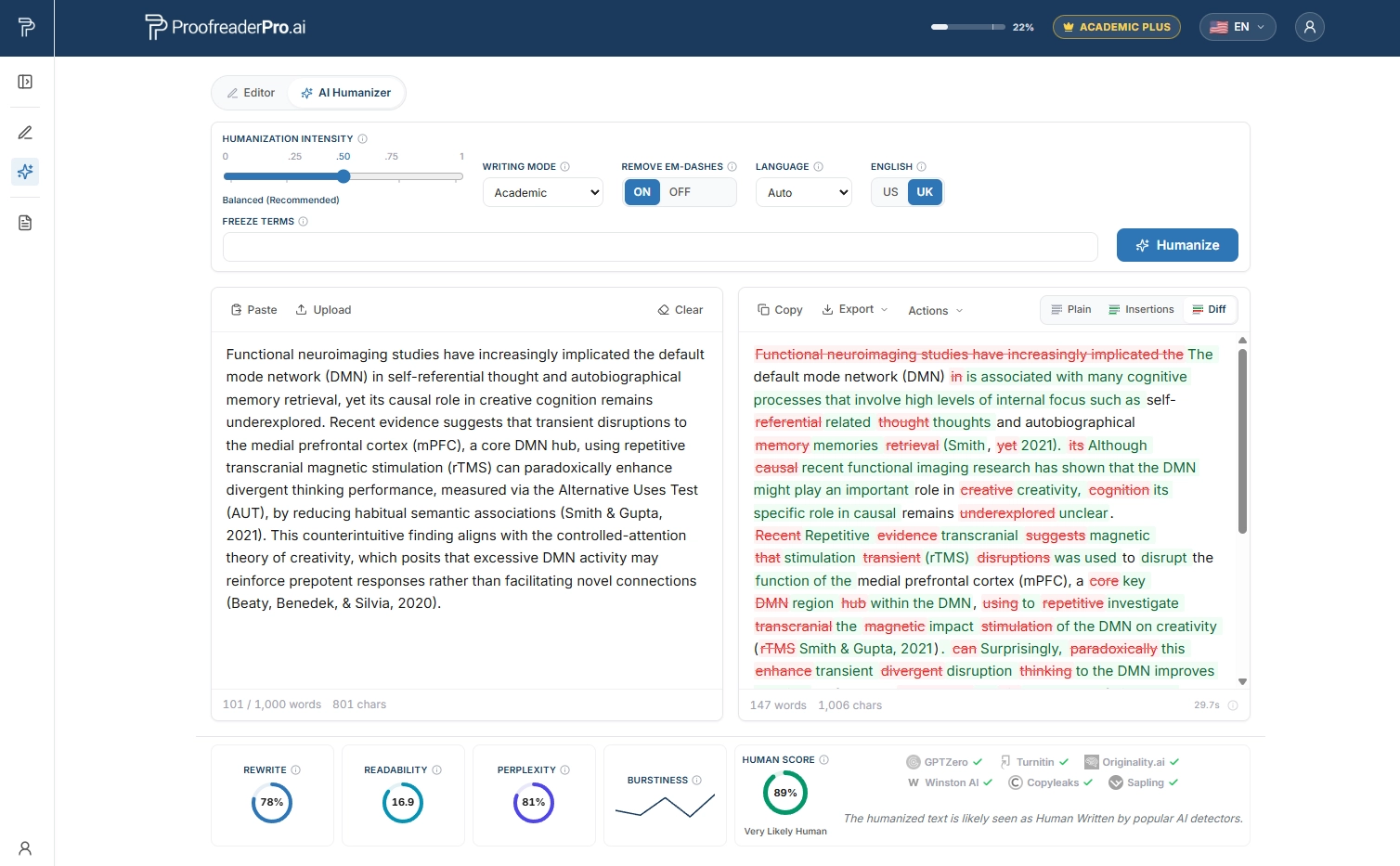
Vượt phát hiện 87% mẫu thử được chấm dưới 20% AI trên cả ba bộ phát hiện | 4.5/5 |
Giọng học thuật Cả hai người phản biện đều đánh giá mọi đầu ra là phù hợp để nộp cho tạp chí | 5/5 |
Xử lý trích dẫn APA, IEEE và Chicago được bảo toàn hoàn hảo; một trường hợp biên MLA có thay đổi định dạng nhỏ | 5/5 |
Giữ thuật ngữ chính Các thuật ngữ kỹ thuật được bảo toàn trong tất cả trừ hai trường hợp | 4.5/5 |
Chất lượng ngữ pháp Độ chính xác ngữ pháp trên 96% sau khi human hóa | 5/5 |
Chúng tôi đã xây dựng công cụ này, vì vậy hãy tiếp nhận đánh giá của chúng tôi với mức hoài nghi thích hợp. Nhưng các con số là có thật, và chúng tôi đã áp dụng cùng một thang chấm điểm cho chính sản phẩm của mình như khi áp dụng cho các đối thủ.
Điểm khác biệt then chốt: our text humanizer được huấn luyện trên các bài nghiên cứu do con người viết, đã qua bình duyệt, thuộc mọi lĩnh vực học thuật, thay vì nội dung web. Công cụ có chế độ Academic Mode chuyên biệt, xử lý trích dẫn, biểu thức thống kê và thuật ngữ kỹ thuật như các yếu tố được bảo vệ. Nó nhận diện các định dạng trích dẫn APA, MLA, Chicago, Turabian và IEEE dạng số, giữ nguyên các thuật ngữ cốt lõi của chuyên ngành ở đúng vị trí bạn đặt, duy trì văn phong ở mức tạp chí học thuật, và xuất mọi thay đổi sang Word dưới dạng tracked changes để bạn có thể rà soát bản viết lại từng dòng một. Độ chính xác ngữ pháp vẫn trên 96% sau khi humanization khi được kiểm tra bằng API của LanguageTool. Hầu hết đối thủ không phân biệt được những yếu tố này.
Điểm chưa đạt: một mẫu trong nhóm y sinh học đã bị diễn đạt lại các cụm kỹ thuật theo cách làm thay đổi nhẹ ý nghĩa. Chấp nhận được, và người dùng cũng có thể dễ dàng rà soát và chỉnh sửa những mẫu cụ thể đó sau khi humanization.
2. Undetectable.ai: lựa chọn bypass thô cho nội dung tổng quát
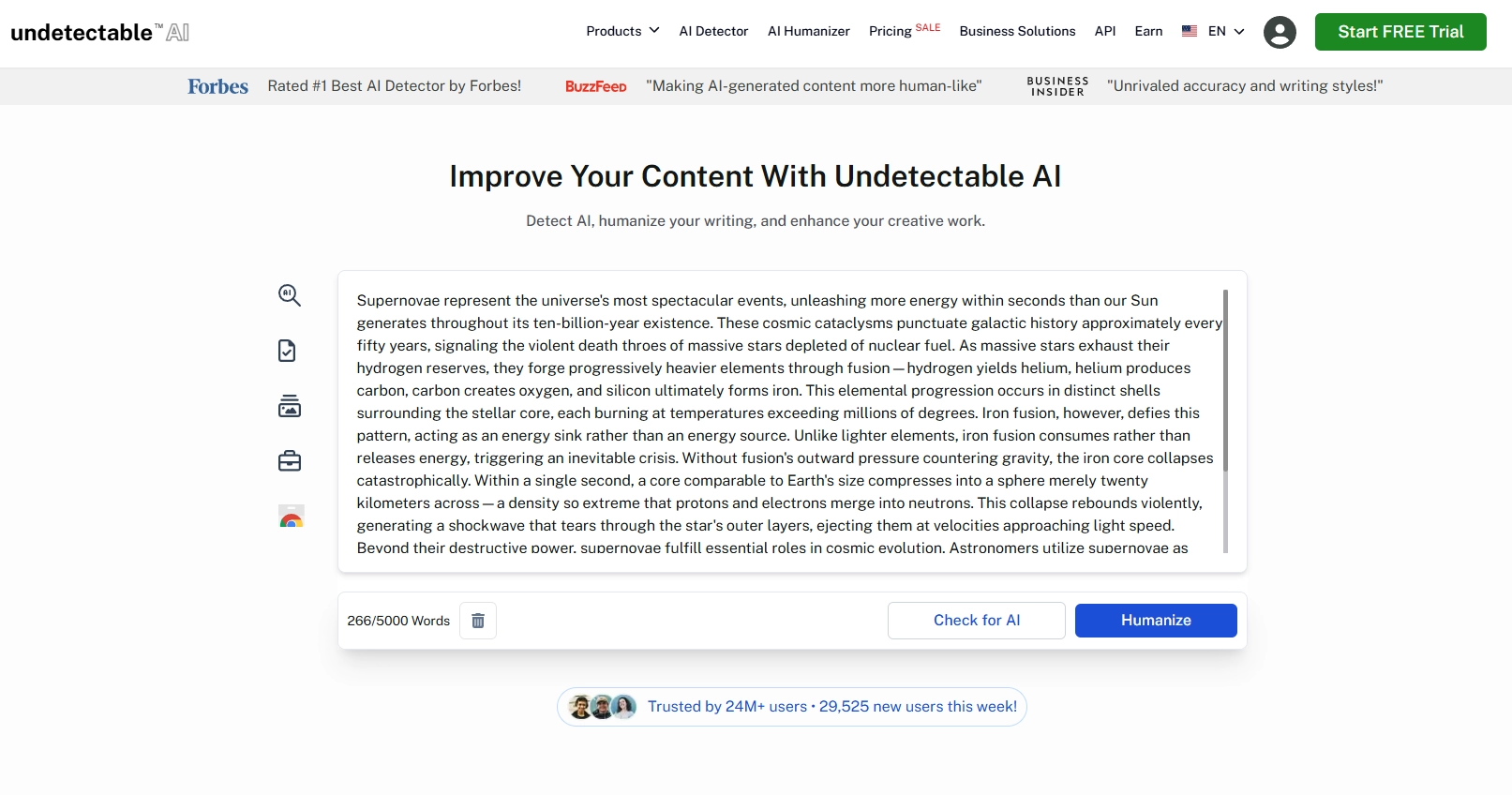
Vượt phát hiện Tỷ lệ bypass 94%, cao nhất trong bài kiểm tra của chúng tôi | 5/5 |
Giọng học thuật Đầu ra thường chuyển sang giọng văn thân mật, mang tính trò chuyện | 3/5 |
Xử lý trích dẫn Trích dẫn trong văn bản hầu như vẫn được giữ nguyên, các tham chiếu trong ngoặc đôi khi được định dạng lại | 3/5 |
Giữ thuật ngữ chính Một số thuật ngữ kỹ thuật bị thay bằng các lựa chọn đơn giản hơn | 3/5 |
Chất lượng ngữ pháp Đúng ngữ pháp, nhưng các cấu trúc quá thân mật cần chỉnh sửa khi dùng cho mục đích học thuật | 3.5/5 |
Undetectable.ai là công cụ bypass thuần túy hiệu quả nhất mà chúng tôi đã kiểm tra trong lab. Nếu mục tiêu duy nhất của bạn là làm cho văn bản không bị phát hiện, nó thắng ở đúng tiêu chí đó. Tuy nhiên, đối với viết học thuật, các đánh đổi là rất đáng kể.
Sự thay đổi giọng văn là vấn đề lớn nhất. Những cụm như "the findings indicate" đã trở thành "we can see that" hoặc "this shows." Điều đó có thể chấp nhận trong một bài đăng blog. Nhưng trong một bản thảo tạp chí học thuật, nó mang dáng dấp của văn viết bậc đại học.
Nếu bạn đang làm nội dung phi học thuật như bài quảng cáo, bài blog, hoặc văn bản kinh doanh nói chung, Undetectable.ai là một lựa chọn phù hợp với API trưởng thành. Với bài báo nghiên cứu, các nhượng bộ về giọng điệu và từ vựng khiến nó trở nên rủi ro nếu không chỉnh sửa thủ công kỹ lưỡng sau đó. Chúng tôi phân tích chi tiết hơn trong phần Undetectable AI alternative.
3. Phrasly: phù hợp cho bản thảo thông thường, với gói không giới hạn
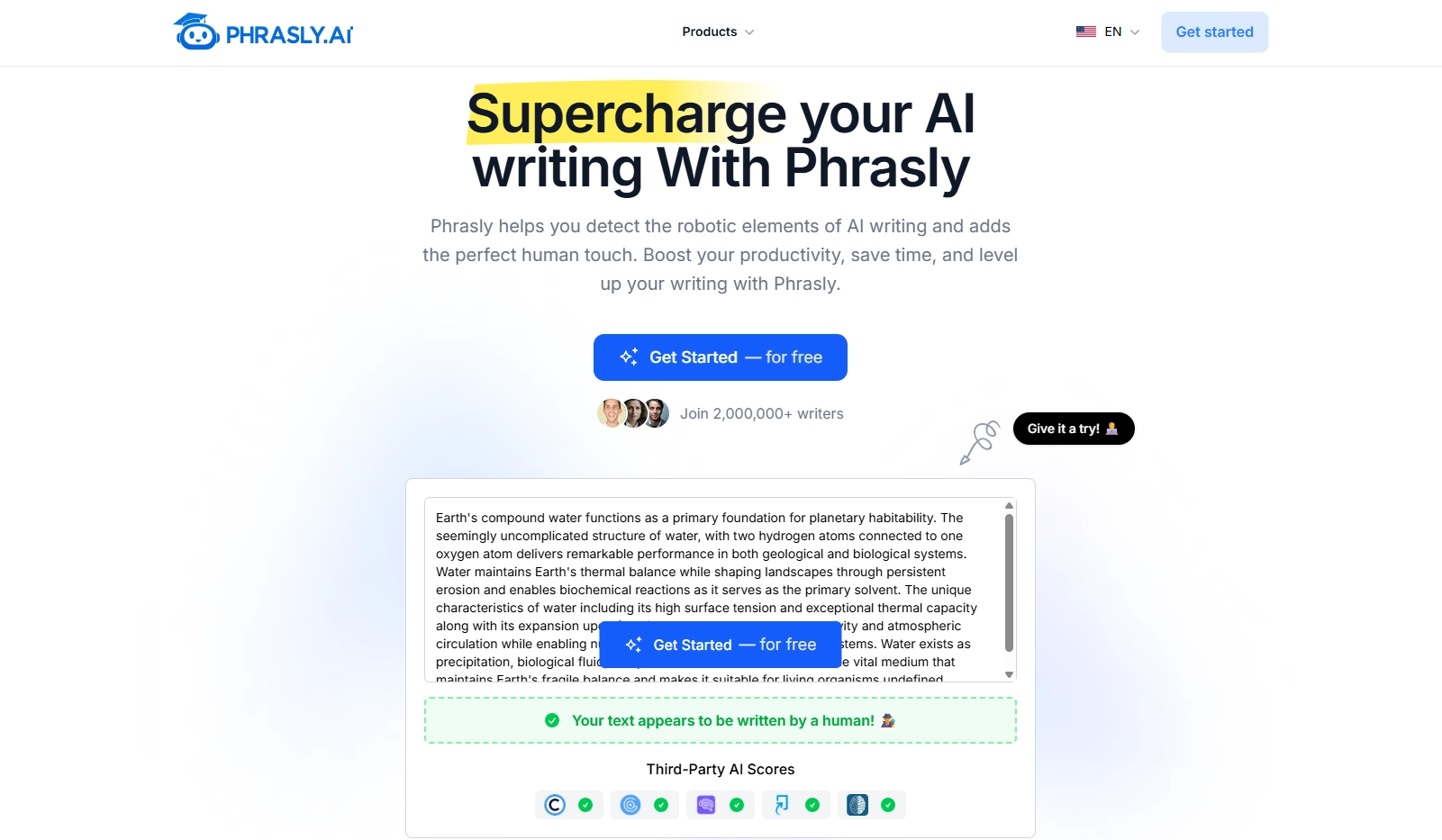
Vượt phát hiện Kết quả được báo cáo rất tốt đối với nội dung ngắn và độ dài trung bình | 3.5/5 |
Giọng học thuật Không có chế độ văn phong học thuật | 2.5/5 |
Xử lý trích dẫn Có quảng bá, nhưng không thực sự nhận biết phong cách theo nghĩa APA, IEEE hoặc Chicago | 3/5 |
Giữ thuật ngữ chính Công cụ viết lại đa dụng | 2.5/5 |
Chất lượng ngữ pháp Các đánh giá nhìn chung nhất quán rằng đầu ra dễ đọc | 4/5 |
Phrasly đã xây dựng một trong những danh tiếng lành mạnh hơn trong danh mục này, với hàng nghìn đánh giá tích cực trên Trustpilot và một gói Unlimited loại bỏ nỗi lo về số lượng từ mà hầu hết đối thủ đều kiếm tiền từ đó. Phần tiếp thị của họ cũng đề cập đến việc giữ nguyên trích dẫn, điều khá hiếm trong thị trường này.
Những gì các bài đánh giá ghi nhận: đầu ra có thể đọc mượt mà một cách nhất quán đối với văn bản chung, giao diện gọn gàng, và kết quả mạnh trước các bộ phát hiện phổ biến trên nội dung ngắn và độ dài trung bình. Gói Unlimited giới hạn mỗi lần chạy ở 2,500 từ, vì vậy một chương luận án vẫn đồng nghĩa với việc bạn phải chia nhỏ tài liệu và hy vọng giọng điệu vẫn nhất quán giữa các phần.
Đối với công việc học thuật, những thiếu hụt vẫn là các điểm quen thuộc. Không có chế độ giọng văn học thuật, không có xuất file tracked-changes để người hướng dẫn xem xét, và khả năng xử lý trích dẫn của nó, dù được quảng cáo, không nhận biết theo từng kiểu APA, IEEE, Chicago. Đây là một lựa chọn tốt cho các bản thảo ít rủi ro và nội dung chung với ngân sách hạn chế. Với một bản thảo sẽ được chấm điểm hoặc nộp chính thức, nó vẫn chỉ là một công cụ viết lại đa dụng.
4. StealthGPT: phù hợp cho nội dung tổng quát số lượng lớn
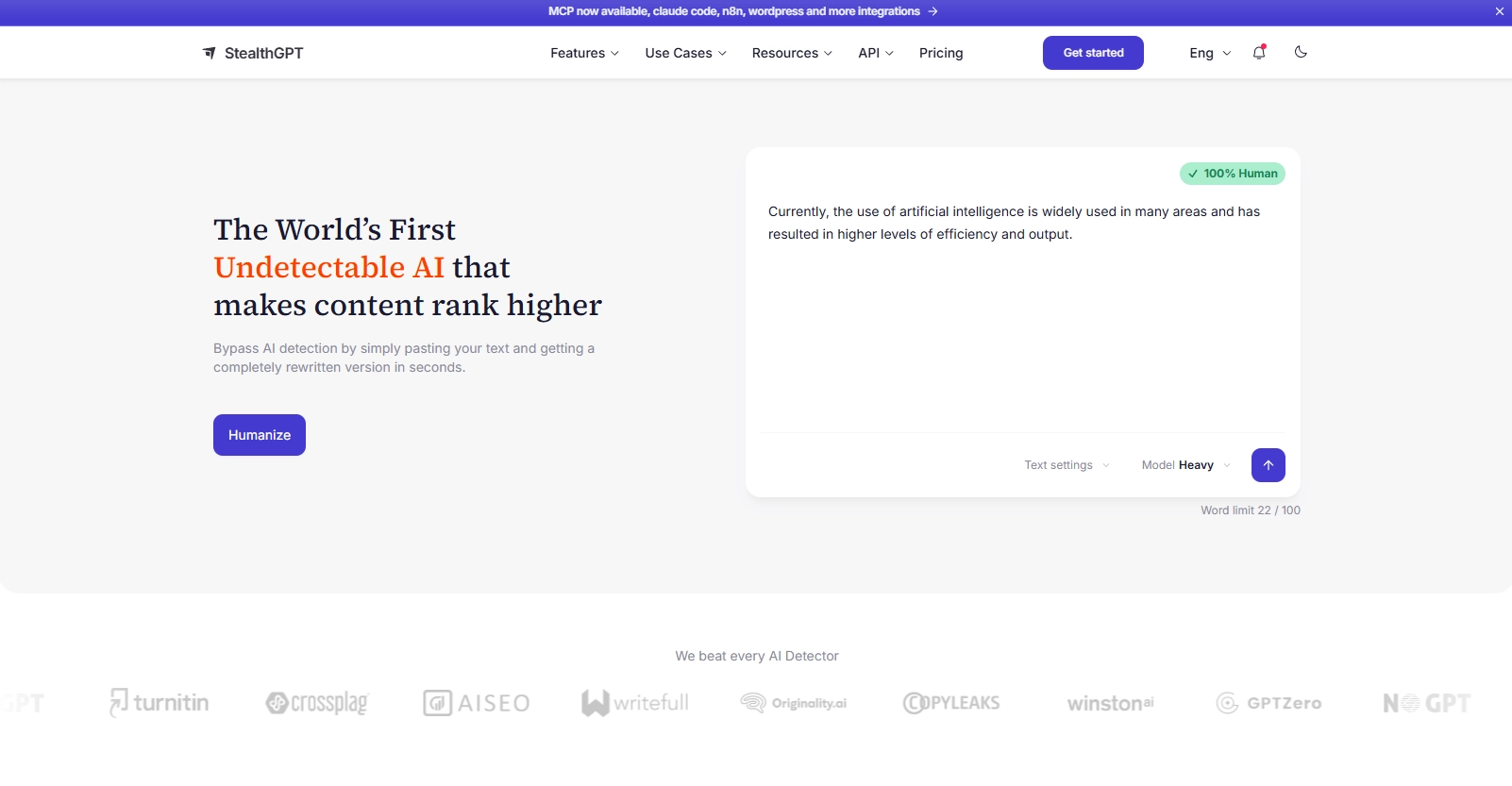
Vượt phát hiện Hiệu suất vượt qua phát hiện được báo cáo là tốt đối với văn bản thông thường | 3.5/5 |
Giọng học thuật Không có kiểm soát giọng văn học thuật | 2/5 |
Xử lý trích dẫn Không có nhận biết trích dẫn | 1.5/5 |
Giữ thuật ngữ chính Được thiết kế cho nội dung đại trà mang tính phổ thông, không phải cho từ vựng chuyên ngành | 2/5 |
Chất lượng ngữ pháp Chất lượng thay đổi theo chế độ và đôi khi cần một lượt hiệu chỉnh lại | 3/5 |
StealthGPT là một trong những cái tên tồn tại lâu nhất trong ngách bypass và bán hàng theo khối lượng: các gói của nó tính theo số yêu cầu mỗi ngày thay vì theo một hạn mức từ mỗi tháng, nên phù hợp với những người xử lý rất nhiều nội dung ngắn.
Các bài đánh giá ghi nhận: hiệu quả bypass ổn định trên văn bản tổng quát và tốc độ xử lý nhanh, với chất lượng đầu ra thay đổi theo chế độ và đôi khi cần một lượt chỉnh sửa lại. Mỗi yêu cầu bị giới hạn ở khoảng 1,500 từ, vì vậy các tài liệu dài sẽ bị chia thành từng phần.
Mức độ phù hợp với học thuật là yếu. Không có nhận biết trích dẫn, không có kiểm soát giọng văn học thuật, và các giới hạn theo từng yêu cầu không có lợi cho những tài liệu dài cỡ luận án. Đối với một nhóm nội dung đưa hàng loạt bài blog qua công cụ phát hiện, đây là một lựa chọn có thể dùng được. Đối với bản thảo học thuật, các rủi ro lớn hơn lợi ích về tốc độ.
5. WriteHuman: Lựa chọn tầm trung khá ổn nếu muốn tiết kiệm
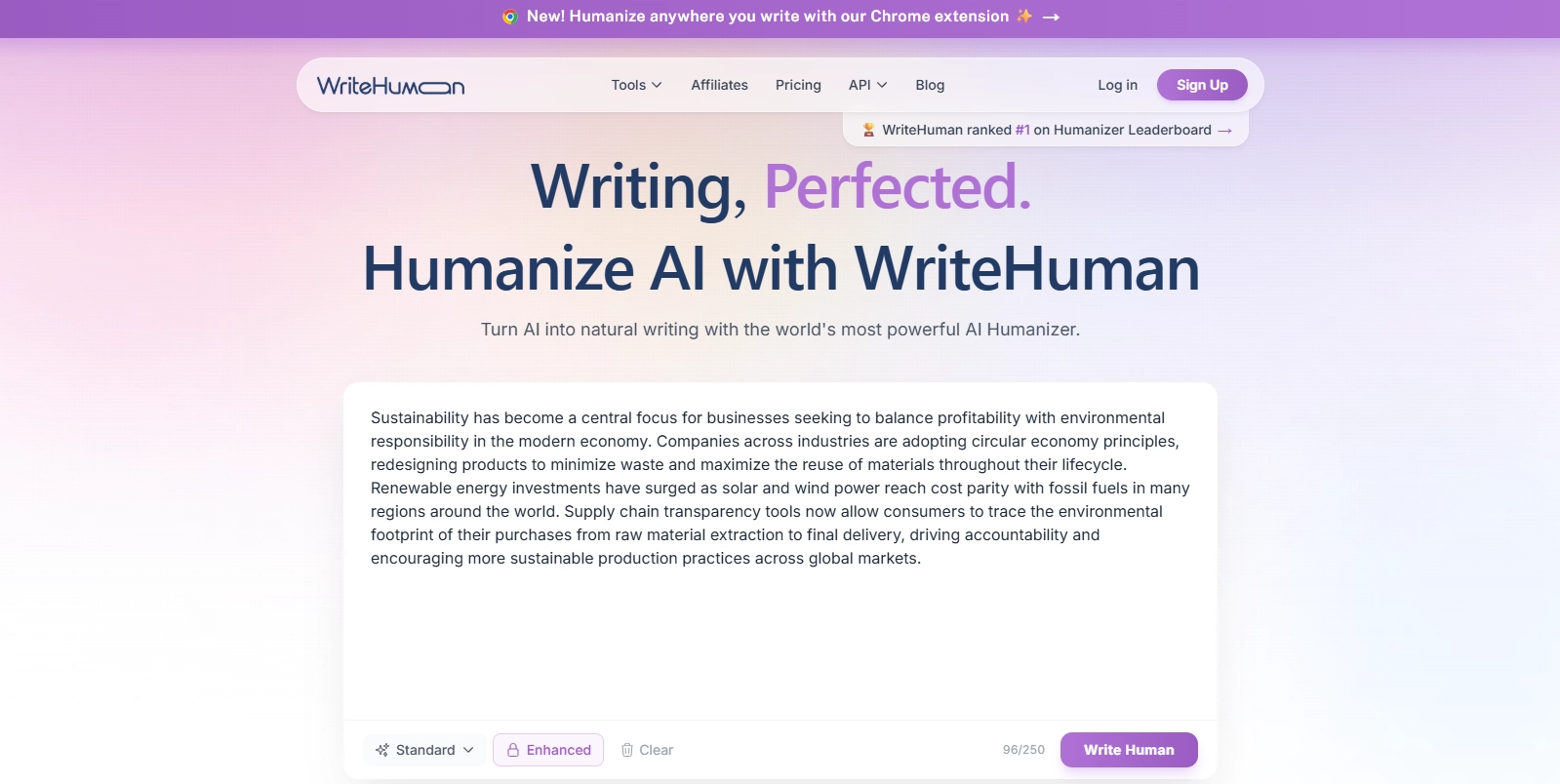
Vượt phát hiện 72% số mẫu đã vượt qua trong bài kiểm tra phòng thí nghiệm của chúng tôi | 3.5/5 |
Giọng học thuật Bảo lưu sắc thái ngôn ngữ ở mức hợp lý đối với một công cụ đa dụng | 3.5/5 |
Xử lý trích dẫn Các trích dẫn trong ngoặc đơn thường xuyên bị tái cấu trúc hoặc chuyển vị trí trong câu | 2.5/5 |
Giữ thuật ngữ chính Độ chính xác ở mức trung bình khá đối với từ vựng kỹ thuật | 3/5 |
Chất lượng ngữ pháp Không có lỗi mang tính hệ thống; thỉnh thoảng có diễn đạt gượng gạo | 3.5/5 |
WriteHuman là một lựa chọn tầm trung, không nổi trội ở bất kỳ hạng mục nào nhưng cũng không thất bại nghiêm trọng. Xử lý trích dẫn là điểm yếu nhất của nó trong bài kiểm tra phòng thí nghiệm của chúng tôi.
Mức giá khá thân thiện, từ $12 một tháng, và có một gói miễn phí dùng được cho các văn bản ngắn. Giới hạn số từ cho mỗi yêu cầu, từ 600 đến 3,000 từ tùy theo gói, khiến một bài viết hoàn chỉnh phải được xử lý thành nhiều phần, qua đó làm tăng rủi ro thiếu nhất quán đối với các tài liệu dài.
6. Walter Writes AI: phù hợp cho các agency có nhu cầu khối lượng lớn
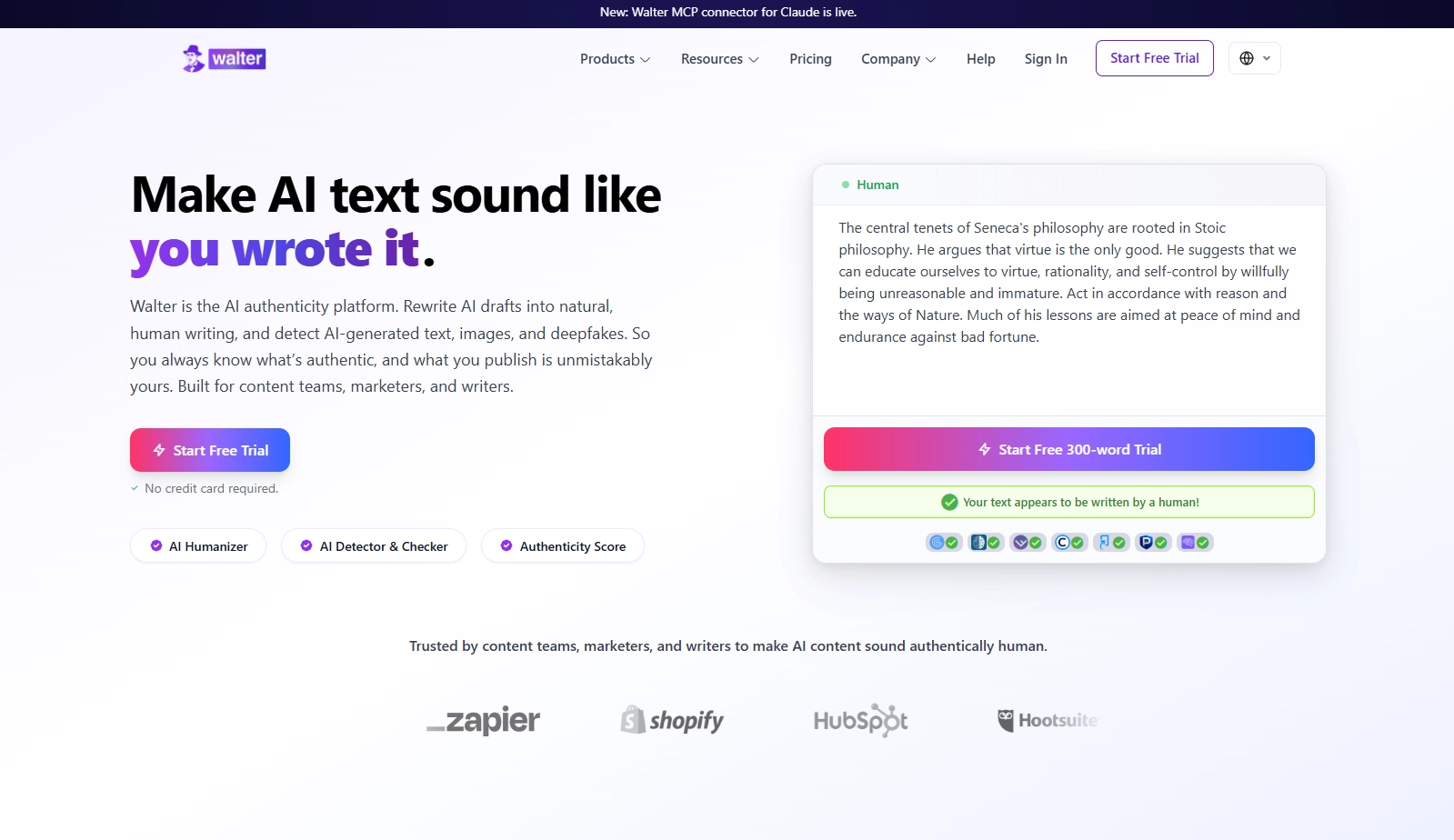
Vượt phát hiện Khoảng 80% vượt qua Turnitin trong một thử nghiệm độc lập với 100 mẫu | 3.5/5 |
Giọng học thuật Khớp giọng văn, nhưng không có chế độ phong cách học thuật | 2.5/5 |
Xử lý trích dẫn Không giữ nguyên trích dẫn | 1.5/5 |
Giữ thuật ngữ chính Viết lại cho mục đích chung | 2.5/5 |
Chất lượng ngữ pháp Đầu ra dễ đọc đối với văn bản phổ thông | 3.5/5 |
Walter Writes đã được định vị lại theo hướng cao cấp hơn. Mức giá khởi điểm hiện nay bắt đầu từ khoảng $49 một tháng cho một quỹ 300,000 từ, rồi tăng dần qua các bậc khối lượng đến hàng triệu từ, điều này khiến nó trở thành công cụ cho agency và doanh nghiệp hơn là lựa chọn cho sinh viên hay nhà nghiên cứu.
Các bài đánh giá cho biết: một cách tiếp cận ghép giọng văn thực sự thú vị, đầu ra dễ đọc trên văn bản thông thường, và hiệu năng vượt qua kiểm tra trong một số lần chạy độc lập đã cho kết quả tốt nhưng lại thiếu nhất quán ở những lần khác. Một bài kiểm tra độc lập với 100 mẫu đã ghi nhận khoảng 80% khả năng vượt Turnitin, dù các tuyên bố tiếp thị của công cụ này còn mạnh hơn thế.
Không có chế độ học thuật, không bảo toàn trích dẫn, và cũng không có xuất bản sửa đổi theo dõi thay đổi. Nếu bạn vận hành một hoạt động nội dung với khối lượng thực sự lớn, đây là một lựa chọn đáng xem xét. Với viết học thuật, cả mức giá lẫn bộ tính năng đều cho thấy nên chọn hướng khác.
7. QuillBot Humanizer: Tạm ổn cho người dùng bộ công cụ, yếu trước Turnitin
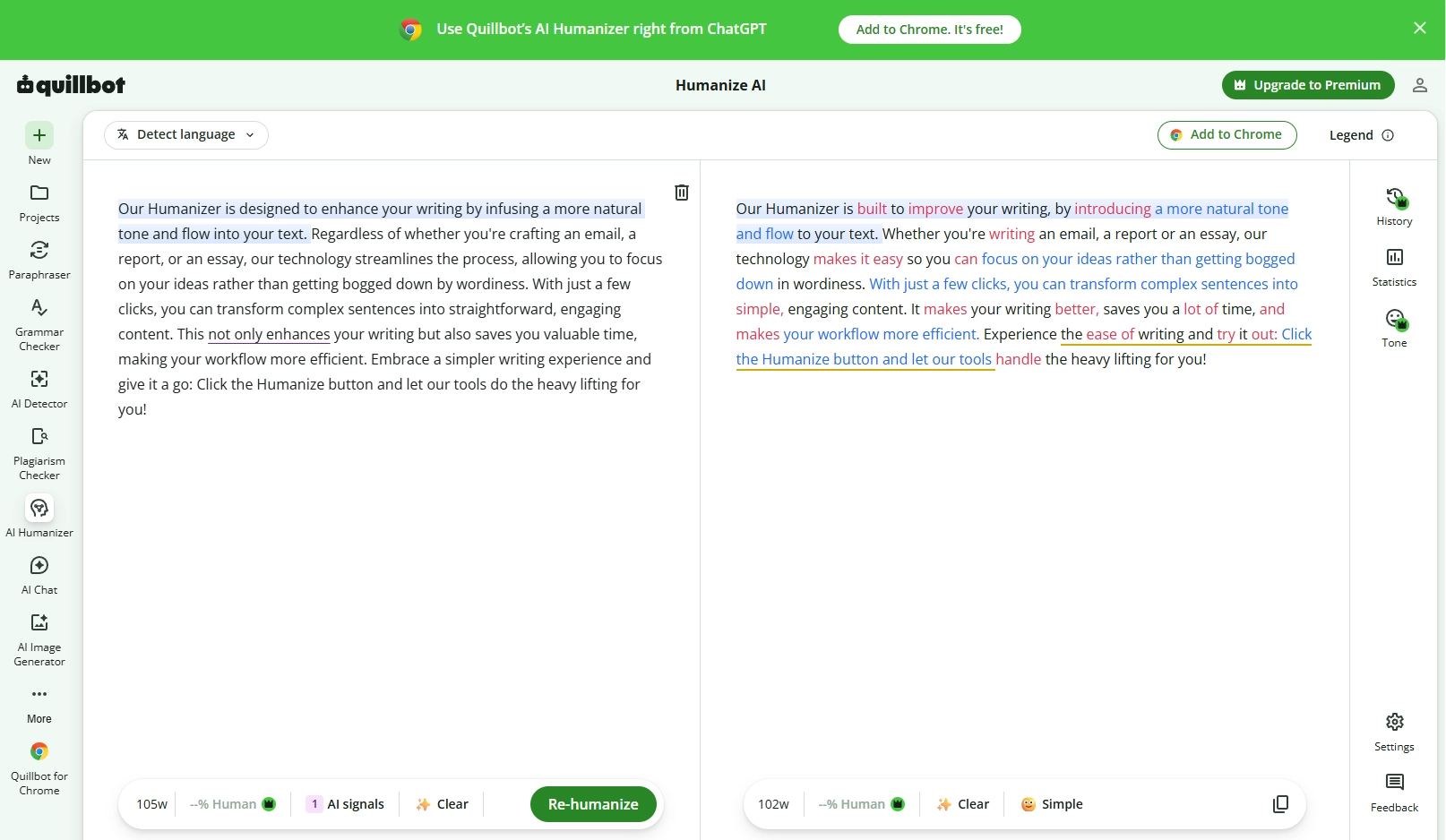
Vượt phát hiện Các kiểm tra độc lập cho thấy công cụ này vẫn bị Turnitin phát hiện | 1.5/5 |
Giọng học thuật Mượt mà nhưng mang sắc thái chung chung | 3/5 |
Xử lý trích dẫn Không đáng tin cậy trong các đoạn văn có mật độ trích dẫn cao | 2/5 |
Giữ thuật ngữ chính Việc thay thế từ đồng nghĩa có thể làm sai các thuật ngữ kỹ thuật | 2.5/5 |
Chất lượng ngữ pháp Bên dưới là một bộ máy diễn đạt lại được trau chuốt | 4/5 |
Công cụ humanizer của QuillBot xuất hiện trong một bộ công cụ được trau chuốt mà nhiều sinh viên đã quen dùng và tin cậy. Nếu bạn vốn đã có QuillBot Premium để diễn đạt lại và tóm tắt, thì humanizer gần như được gộp sẵn vào một công cụ mà bạn đã trả tiền.
Điểm hạn chế nằm ở kiến trúc. Nó được xây dựng trên một bộ máy paraphrasing, nên chỉ thay từ đồng nghĩa và sắp xếp lại các mệnh đề mà không làm thay đổi các mô thức thống kê sâu hơn mà các công cụ phát hiện đo lường. Các thử nghiệm độc lập cho thấy nó không vượt qua Turnitin, và bản thân Turnitin cũng xếp nội dung AI được diễn đạt lại là do AI tạo ra. Việc dùng quá nhiều có xu hướng làm tăng, chứ không làm giảm, điểm AI trên văn bản học thuật, và xử lý trích dẫn thiếu đáng tin cậy trong các đoạn dày đặc trích dẫn.
Phù hợp như một tiện ích cho những người dùng QuillBot hiện có khi làm văn bản thông thường. Không phải là lựa chọn nghiêm túc cho một bài nộp bị chấm bởi Turnitin.
8. HIX Bypass: viết lại mạnh tay nhưng đánh đổi về giọng điệu
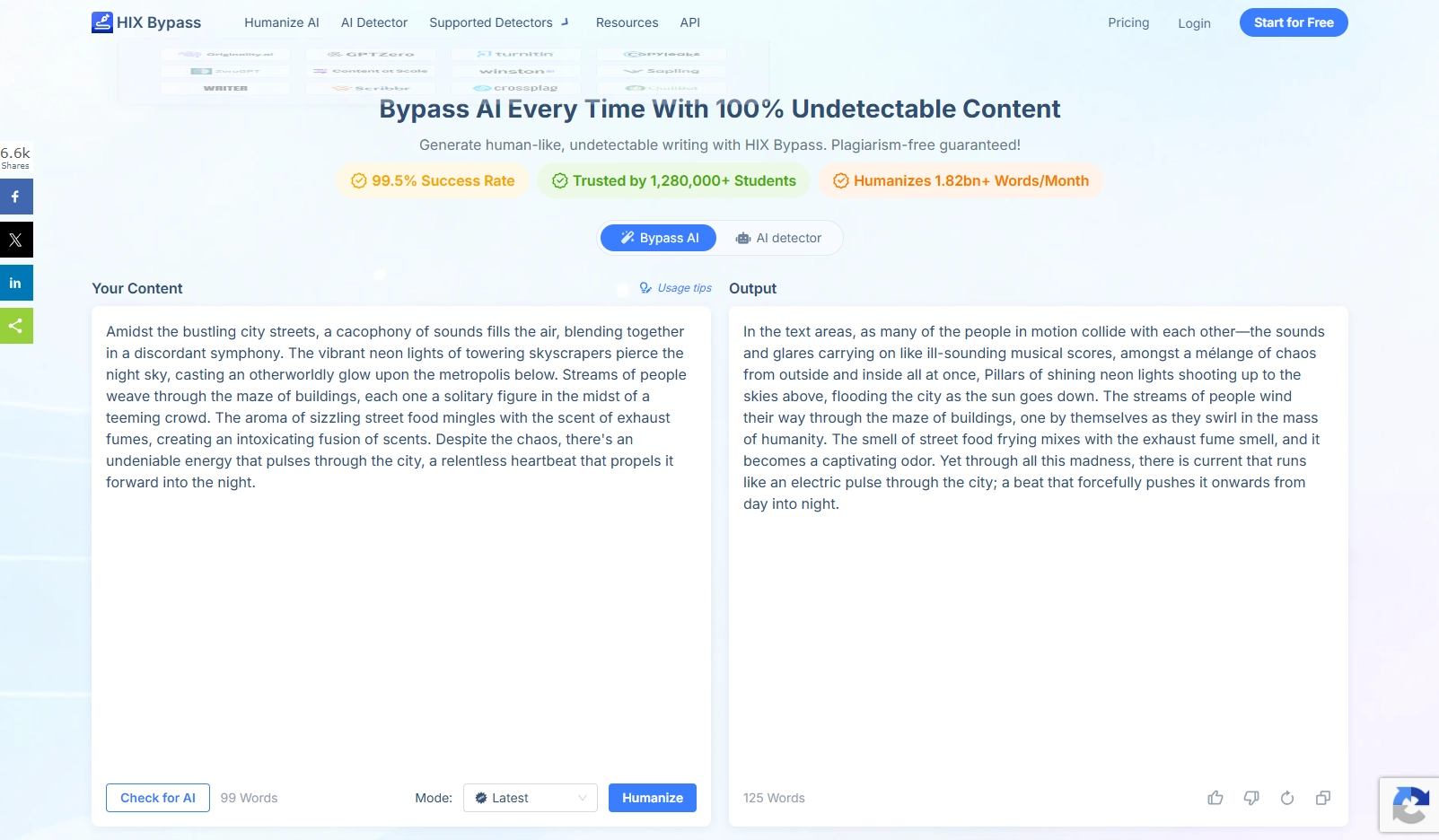
Vượt phát hiện Tỷ lệ vượt qua là 78% trong thử nghiệm phòng thí nghiệm của chúng tôi | 4/5 |
Giọng học thuật Nhiều đầu ra đọc giống như báo chí khoa học | 2/5 |
Xử lý trích dẫn Không nhận biết trích dẫn | 2/5 |
Giữ thuật ngữ chính Từ vựng kỹ thuật thường xuyên bị giản lược | 3/5 |
Chất lượng ngữ pháp Chế độ mạnh nhất tạo ra văn xuôi thô nhất | 3/5 |
Việc viết lại mạnh tay đã đạt được tỷ lệ vượt qua đó, nhưng phải đánh đổi giọng điệu học thuật. Nhiều đầu ra đọc giống báo chí khoa học hơn là bài nghiên cứu. Thuật ngữ kỹ thuật thường bị đơn giản hóa, vì vậy chúng tôi không khuyến nghị công cụ này cho văn bản ở cấp độ bản thảo.
Bốn chế độ viết lại của nó đánh đổi chất lượng lấy sức mạnh vượt qua, và chế độ mạnh nhất cho ra văn xuôi thô nhất. Các gói bắt đầu từ khoảng $14.99 một tháng cho một hạn mức từ ngữ khiêm tốn. Đối với nội dung web thông thường trong bộ HIX, công cụ này vẫn có thể dùng được. Đối với viết học thuật, sự mất mát về văn phong là điều không thể chấp nhận.
9. BypassGPT: lựa chọn tiết kiệm với giới hạn chặt chẽ
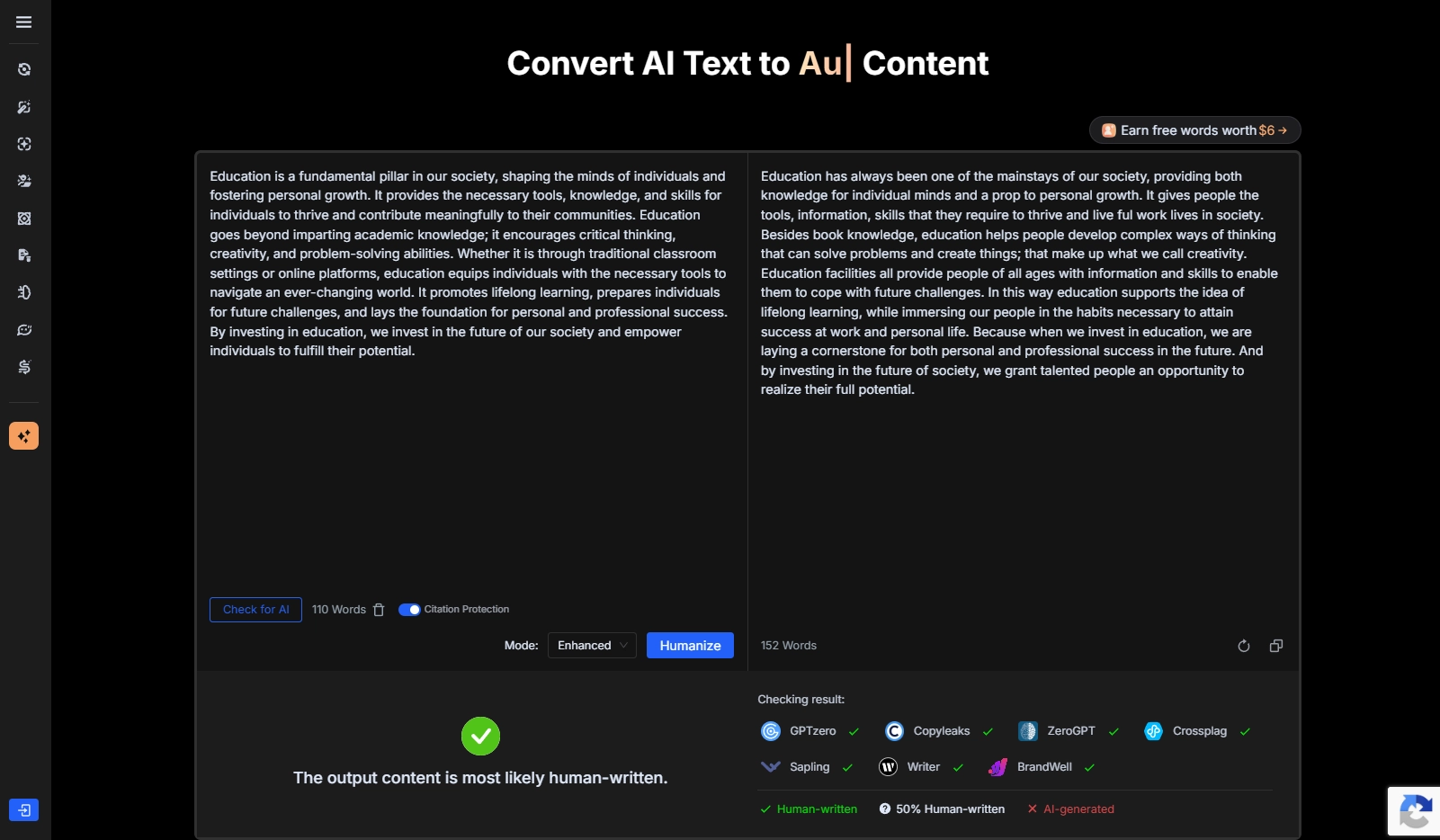
Vượt phát hiện Hiệu suất được báo cáo ở mức trung bình đối với văn bản thông thường | 3/5 |
Giọng học thuật Không có khả năng kiểm soát văn phong học thuật | 2/5 |
Xử lý trích dẫn Có tùy chọn bật/tắt cơ chế bảo vệ, nhưng không nhận biết theo phong cách | 2/5 |
Giữ thuật ngữ chính Chất lượng giảm trên các đoạn văn chuyên ngành kỹ thuật | 2/5 |
Chất lượng ngữ pháp Chấp nhận được đối với văn bản mang tính đời thường | 3/5 |
BypassGPT cạnh tranh bằng giá, với các gói khởi điểm khoảng $12 một tháng cho một hạn mức 5,000 từ mỗi tháng.
Các bài đánh giá cho thấy: khả năng vượt kiểm tra ở mức trung bình đối với văn bản thông thường, với chất lượng giảm khi gặp các đoạn kỹ thuật. Hạn mức nhỏ hằng tháng nhanh chóng cạn kiệt trước các tài liệu học thuật; chỉ một chương luận án cũng có thể tiêu tốn phần lớn số từ đó trong một lần chạy.
Không có nhận thức về trích dẫn, không có kiểm soát văn phong học thuật. Đủ dùng cho những đoạn văn ngắn, mang tính thông thường, thỉnh thoảng. Quá yếu cho viết nghiên cứu, cả về chất lượng lẫn số lượng.
10. StealthWriter: giao diện minh bạch, phương pháp rủi ro
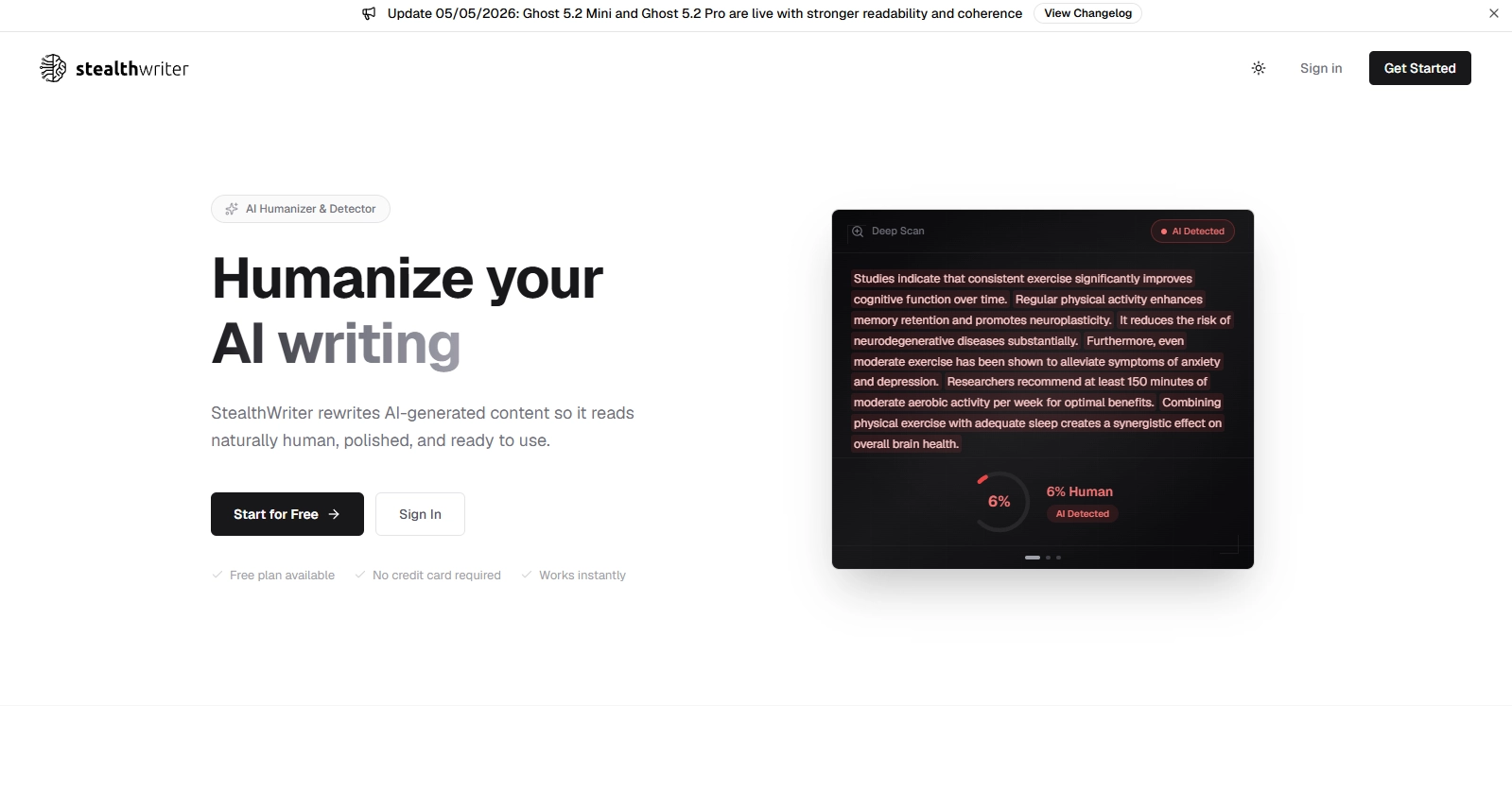
Vượt phát hiện Các thử nghiệm độc lập cho thấy công cụ này hoạt động kém trước Turnitin và Originality.ai | 2/5 |
Giọng học thuật Mức độ đăng ký bị suy giảm do các lỗi được chèn thêm | 1.5/5 |
Xử lý trích dẫn Không có khả năng nhận biết trích dẫn | 1.5/5 |
Giữ thuật ngữ chính Việc thay thế ở cấp câu làm ảnh hưởng đến thuật ngữ chuyên ngành | 2/5 |
Chất lượng ngữ pháp Chèn các lỗi có chủ đích để đánh lừa bộ phát hiện | 1.5/5 |
StealthWriter xứng đáng được ghi nhận vì một ý tưởng thông minh. Chế độ xem theo từng câu, được mã hóa bằng màu sắc, cho bạn thấy chính xác những gì đã thay đổi, đó là mức độ minh bạch cao hơn những gì hầu hết công cụ trong danh sách này cung cấp.
Vấn đề nằm ở phương pháp. Để qua mặt các bộ phát hiện, nó chèn các lỗi có chủ đích, và những lỗi đó phá hỏng khả năng đọc mà một độc giả học thuật mong đợi, trong khi các thử nghiệm độc lập vẫn cho thấy nó gặp khó khăn trên Turnitin và Originality.ai. Làm suy giảm cách viết của bạn để chạy theo một điểm số là điều ngược lại với những gì một bài viết cần, và người phản biện sẽ nhận ra những câu chữ cẩu thả trước cả khi bộ phát hiện làm được điều đó. Các gói có giá từ khoảng $20 một tháng.
11. Humbot: yếu nhất trong bài kiểm tra phòng thí nghiệm của chúng tôi
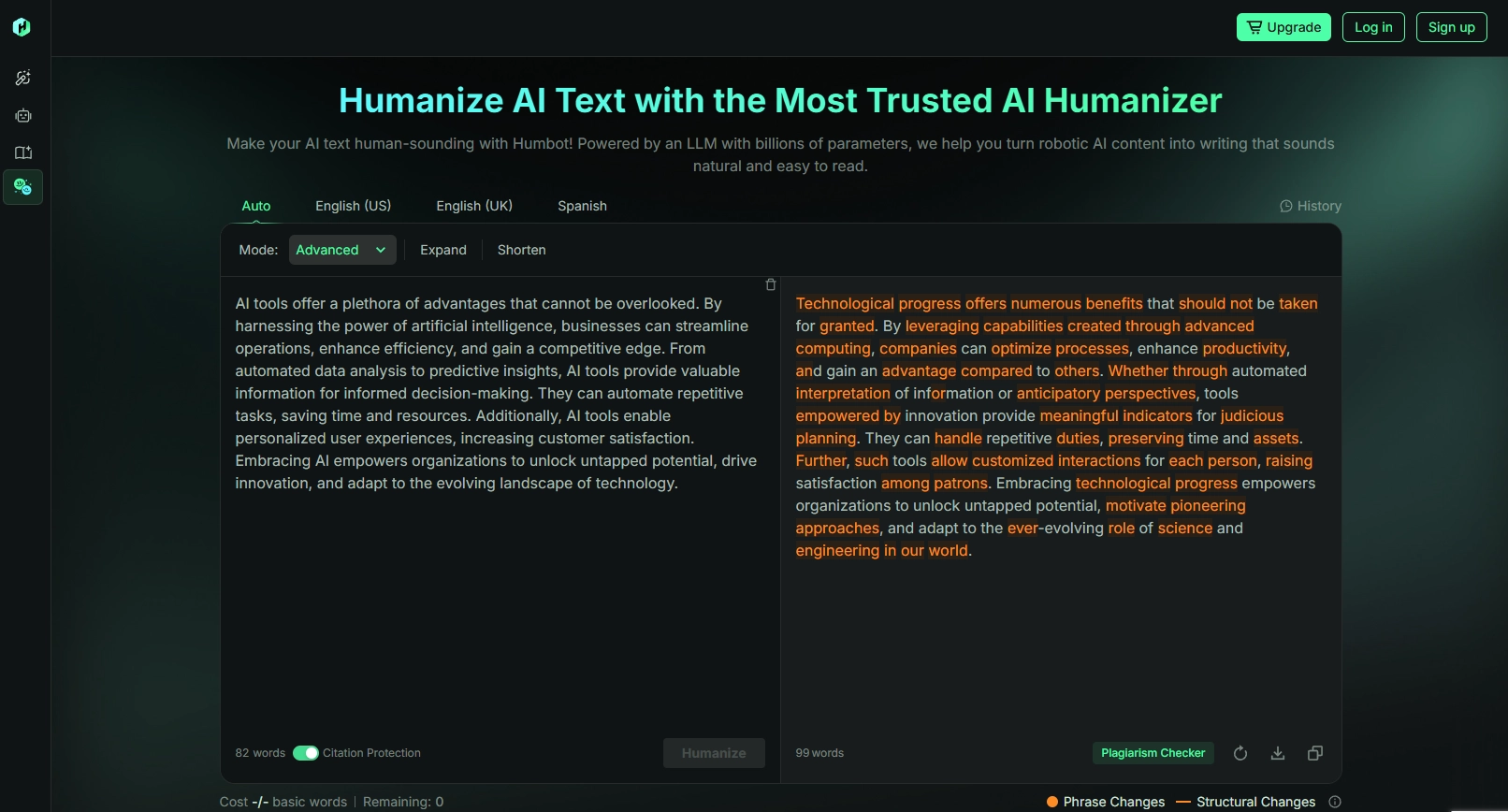
Vượt phát hiện Tỷ lệ vượt phát hiện 70% trong bài kiểm tra phòng thí nghiệm của chúng tôi | 3.5/5 |
Giọng học thuật Giọng điệu tụt xuống dưới chất lượng của tạp chí | 2/5 |
Xử lý trích dẫn Trích dẫn bị làm sai trong 3 trên 10 mẫu | 2/5 |
Giữ thuật ngữ chính Thuật ngữ kỹ thuật bị suy giảm trong nhiều mẫu | 2/5 |
Chất lượng ngữ pháp Lỗi ngữ pháp được đưa vào trong 4 trên 10 mẫu | 2/5 |
Tỷ lệ vượt phát hiện là chấp nhận được, nhưng chất lượng đầu ra lại kém. Dùng công cụ này sẽ tạo ra nhiều việc biên tập hơn là tiết kiệm được.
Giá khởi điểm khoảng $12 một tháng. Với bất kỳ văn bản nào mà chất lượng là quan trọng, chi phí chỉnh sửa sẽ triệt tiêu mức giá thấp đó.
12. Grubby AI: chỉ dành cho các đoạn ngắn, mang tính đời thường
Vượt phát hiện Kết quả báo cáo không nhất quán đối với các văn bản dài hơn | 2.5/5 |
Giọng học thuật Chỉ cho đầu ra mang tính đời thường | 1.5/5 |
Xử lý trích dẫn Không xử lý trích dẫn dưới bất kỳ hình thức nào | 1.5/5 |
Giữ thuật ngữ chính Không được thiết kế cho nội dung kỹ thuật | 2/5 |
Chất lượng ngữ pháp Khá ổn với các văn bản ngắn, đơn giản | 3/5 |
Grubby AI là lựa chọn sửa nhanh của thị trường: dán một đoạn văn ngắn, nhận lại một bản viết lại, với một trong những mức giá thấp nhất trong phân khúc, từ khoảng $7 một tháng khi thanh toán theo năm cho một hạn mức từ ngữ hằng tháng nhỏ.
Các bài đánh giá ghi nhận điều gì: kết quả khá ổn với các văn bản ngắn, đơn giản và chất lượng không nhất quán với nội dung dài hơn hoặc mang tính kỹ thuật hơn. Không có bất kỳ công cụ hỗ trợ học thuật nào.
Đối với một đoạn văn đời thường, đây là một lựa chọn tiết kiệm chấp nhận được. Với bất kỳ nội dung nào có trích dẫn, thuật ngữ kỹ thuật, hoặc gắn với điểm số, công cụ này không được thiết kế cho công việc đó.
So sánh đầy đủ
| Công cụ | Giọng điệu học thuật | Xử lý trích dẫn | Phù hợp với tài liệu dài |
|---|---|---|---|
| ProofreaderPro.ai | Được huấn luyện cho văn phong học thuật | APA, MLA, Chicago, IEEE, Turabian được giữ nguyên | Tài liệu đầy đủ, xuất với theo dõi thay đổi |
| Undetectable.ai | Chuyển sang giọng trò chuyện | Đôi khi được định dạng lại | Giới hạn tốt, không có theo dõi thay đổi |
| Phrasly | Văn phong tổng quát | Có quảng cáo là hỗ trợ, nhưng không nhận biết phong cách | 2,500 từ mỗi lần chạy |
| StealthGPT | Văn phong tổng quát | Không nhận biết trích dẫn | 1,500 từ mỗi yêu cầu |
| WriteHuman | Khá ổn | Thường xuyên bị cấu trúc lại | 600–3,000 từ mỗi yêu cầu |
| Walter Writes AI | Văn phong tổng quát | Không nhận biết trích dẫn | Gói khối lượng lớn |
| QuillBot Humanizer | Trau chuốt nhưng tổng quát | Không đáng tin cậy khi mật độ trích dẫn cao | Giới hạn theo bộ công cụ |
| HIX Bypass | Làm đơn giản văn phong | Không nhận biết trích dẫn | Tập từ nhỏ ở mức khởi điểm |
| BypassGPT | Văn phong tổng quát | Không nhận biết trích dẫn | 5,000 từ mỗi tháng ở mức khởi điểm |
| StealthWriter | Bị suy giảm bởi các lỗi được chèn vào | Không nhận biết trích dẫn | Giới hạn từ theo gói |
| Humbot | Có chèn lỗi | Bị làm sai lệch trong bài kiểm tra của chúng tôi | Có các tầng khối lượng |
| Grubby AI | Chỉ phù hợp với văn phong thân mật | Không nhận biết trích dẫn | Văn bản ngắn |
So sánh giá
Chỉ các gói trả phí, kèm theo hạn mức từ hàng tháng khi nhà cung cấp công bố. Giá là cho thanh toán theo tháng tính đến tháng 8 năm 2026, trừ khi có ghi chú khác, hầu hết nhà cung cấp giảm giá rất mạnh cho thanh toán theo năm. Hãy kiểm tra trang giá của nhà cung cấp trước khi mua, vì các mức này thay đổi thường xuyên.
| Công cụ | Gói trả phí khởi điểm | Số từ hàng tháng | Các bậc cao hơn |
|---|---|---|---|
| ProofreaderPro.ai | Academic, $19/mo | 25,000 | Academic Plus, $29/mo, 50,000 words |
| Undetectable.ai | About $10/mo (about $5/mo annual) | 10,000 | Up to 50,000 words tiers |
| Phrasly | Unlimited, about $17/mo (about $11/mo annual) | Not metered, 2,500-word runs | Single plan |
| StealthGPT | About $30/mo | Metered per request, about 1,500 words each | Higher-volume tiers to about $100/mo |
| WriteHuman | Basic, $12/mo | About 48,000 (80 runs x 600 words) | Pro $18/mo, Ultra $36/mo unlimited runs |
| Walter Writes AI | About $49/mo | 300,000 | Volume tiers into millions of words |
| QuillBot Premium | $19.95/mo (about $8.33/mo annual) | Humanizer included in Premium | Single plan |
| HIX Bypass | Basic, $14.99/mo | 5,000 | Pro $29.99/mo 50,000; Unlimited $59.99/mo |
| BypassGPT | About $12/mo | 5,000 | Higher tiers available |
| StealthWriter | Basic, $20/mo | Metered per request, 400 words each | Standard $35/mo 50,000 words; Premium $50/mo |
| Humbot | About $12/mo | Small pool at entry, tiers vary | Volume tiers available |
| Grubby AI | About $7/mo (annual) | About 7,500 | Pro about $9/mo, 30,000 words |
So sánh điểm số của cả 12 công cụ humanizer
Mỗi công cụ ở trên được chấm theo cùng năm tiêu chí học thuật: khả năng vượt qua phát hiện, giọng điệu học thuật, xử lý trích dẫn, bảo toàn thuật ngữ chính và chất lượng ngữ pháp. Các công cụ được kiểm nghiệm trong phòng thí nghiệm mang điểm số đo được từ bộ benchmark 10 mẫu của chúng tôi. Những công cụ còn lại mang điểm số được đánh giá dựa trên hành vi đã được ghi nhận, các gói dịch vụ đã công bố, và các báo cáo thử nghiệm độc lập. Được sắp xếp theo tổng điểm:
| Công cụ | Vượt qua | Giọng điệu | Trích dẫn | Thuật ngữ chính | Ngữ pháp | Tổng |
|---|---|---|---|---|---|---|
| ProofreaderPro.ai | 4.5 | 5 | 5 | 4.5 | 5 | 24 / 25 |
| Undetectable.ai | 5 | 3 | 3 | 3 | 3.5 | 17.5 / 25 |
| WriteHuman | 3.5 | 3.5 | 2.5 | 3 | 3.5 | 16 / 25 |
| Phrasly | 3.5 | 2.5 | 3 | 2.5 | 4 | 15.5 / 25 |
| HIX Bypass | 4 | 2 | 2 | 3 | 3 | 14 / 25 |
| Walter Writes AI | 3.5 | 2.5 | 1.5 | 2.5 | 3.5 | 13.5 / 25 |
| QuillBot Humanizer | 1.5 | 3 | 2 | 2.5 | 4 | 13 / 25 |
| StealthGPT | 3.5 | 2 | 1.5 | 2 | 3 | 12 / 25 |
| BypassGPT | 3 | 2 | 2 | 2 | 3 | 12 / 25 |
| Humbot | 3.5 | 2 | 2 | 2 | 2 | 11.5 / 25 |
| Grubby AI | 2.5 | 1.5 | 1.5 | 2 | 3 | 10.5 / 25 |
| StealthWriter | 2 | 1.5 | 1.5 | 2 | 1.5 | 8.5 / 25 |
Phán quyết của chúng tôi
Nếu bạn là nhà nghiên cứu hoặc học viên sau đại học, sự khác biệt sẽ nhanh chóng lộ rõ. Mười một trong số mười hai công cụ này được xây dựng cho nội dung tổng quát, và điều đó thể hiện ở cùng ba điểm mỗi lần: trích dẫn bị dịch chuyển hoặc làm sai lệch, các thuật ngữ then chốt bị đơn giản hóa, và văn phong trôi dần về một bài viết blog. Đây là những công cụ tốt cho công việc mà chúng được tạo ra để làm. Công việc đó không phải bản thảo học thuật của bạn.
Đối với văn bản học thuật, ProofreaderPro.ai là không đối thủ. Công cụ này được huấn luyện trên các bài nghiên cứu do con người viết và đã qua bình duyệt, vì vậy nó giữ nguyên chính xác các trích dẫn APA, MLA, Chicago, Turabian, và IEEE dạng số đúng ở vị trí bạn đặt chúng, bảo vệ các biểu thức thống kê và thuật ngữ then chốt của ngành, duy trì độ chính xác ngữ pháp trên 96%, giữ giọng điệu học thuật trang trọng xuyên suốt quá trình biên soạn lại, và xuất toàn bộ sang Word dưới dạng tracked changes để người hướng dẫn của bạn có thể xem xét. Đây cũng là công cụ duy nhất trong danh sách này công bố kết quả từ bộ dữ liệu chuẩn của mình thay vì một tỷ lệ phần trăm tiếp thị. Nếu bài viết của bạn sẽ được gửi đến tạp chí, hội đồng, hoặc cổng Turnitin, hãy bắt đầu với công cụ được xây dựng cho mục đích đó và giữ một công cụ viết lại đa dụng cho các văn bản thông thường của bạn.
Human hóa ở chuẩn học thuật
Đã được kiểm thử với Turnitin, GPTZero, và Originality.ai. Được xây dựng để giữ nguyên trích dẫn, vốn từ vựng, và giọng văn học thuật của bạn.
Dùng thử ProofreaderPro.ai miễn phíBạn nên dùng mức độ nhân hóa nào?
Bản benchmark của chúng tôi chạy mỗi tài liệu ở hai mức độ. Sự đánh đổi là nhất quán. Mức humanization mạnh mẽ cho tỷ lệ vượt qua bộ phát hiện cao nhất, lên tới 92.33% trước Turnitin AI trong lần chạy mới nhất, và viết lại cấu trúc câu sâu hơn. Mức humanization cân bằng vượt qua với tần suất thấp hơn một chút, 86.0% trước Turnitin AI, và giữ gần hơn với cách diễn đạt gốc, khiến việc rà soát tracked changes nhanh hơn. Với một chương luận văn nơi mọi lập luận đều đã được diễn đạt cẩn trọng, hãy bắt đầu ở Balanced và chạy lại các phần bị đánh dấu ở Aggressive. Với các bản nháp sớm hơn, Aggressive giúp tiết kiệm một vòng chỉnh sửa. Độ trung thành ngữ nghĩa vẫn ở trên 94% ở cả hai mức trong các lần chạy của chúng tôi, vì vậy bạn vẫn giữ nguyên ý nghĩa dù thế nào đi nữa, chỉ là mức độ thay đổi ở bề mặt ngôn từ khác nhau.
AI humanizer tốt nhất theo từng trường hợp sử dụng
- Bài báo học thuật, luận văn và bản thảo tạp chí: ProofreaderPro.ai, nhờ khả năng bảo toàn trích dẫn, từ vựng theo chuyên ngành, và xuất file có theo dõi thay đổi. Hãy thử trên trang AI text humanizer.
- Các lo ngại liên quan đến Turnitin: xem hướng dẫn Turnitin humanizer chuyên biệt của chúng tôi, trong đó trình bày cách chỉ báo AI hoạt động và tỷ lệ vượt kiểm tra thực tế là như thế nào.
- Nội dung web tổng quát và bài viết marketing: Undetectable.ai xử lý tốt các phong cách ngôn ngữ đời thường, nhưng có xu hướng đơn giản hóa từ vựng kỹ thuật. Phrasly là một lựa chọn thay thế phù hợp với ngân sách, nhờ gói không giới hạn.
- Vận hành nội dung số lượng lớn: StealthGPT và Walter Writes AI đều tính phí theo dung lượng sử dụng, nhưng ở các mức giá rất khác nhau.
- Một bản nháp đã bị gắn cờ và cần chỉnh sửa ngay: hãy làm theo hướng dẫn từng bước để giảm điểm phát hiện AI của chúng tôi.
Khoảng cách trong việc nhân bản hóa văn bản học thuật mà hầu hết công cụ bỏ lỡ
Vấn đề cốt lõi là hầu hết các công cụ nhân bản hóa AI được xây dựng cho người làm marketing nội dung và người viết SEO. Chúng được thiết kế để khiến bài blog và mô tả sản phẩm vượt qua bộ phát hiện. Viết học thuật có những yêu cầu hoàn toàn khác.
Trong một bài blog, việc thay "demonstrate" bằng "show" là ổn. Trong một bài báo nghiên cứu, "demonstrate" có thể mang những hàm ý phương pháp luận cụ thể mà "show" không có.
Trong nội dung marketing, việc di chuyển một trích dẫn là không quan trọng. Trong một bài báo học thuật, "(Smith et al., 2024)" cần ở nguyên đúng vị trí tác giả đặt nó, vì vị trí trích dẫn theo từng câu cho biết phát biểu nào đang được gán nguồn.
Trong nội dung nói chung, văn phong thân mật là một đặc điểm. Tuy nhiên, trong bản thảo tạp chí, đó lại là lý do để gửi trả bản thảo để chỉnh sửa.
Đó là lý do các công cụ được xây dựng cho nội dung nói chung lại gặp khó với văn bản học thuật. Chúng đang giải quyết sai vấn đề. Một nhà nghiên cứu cần văn bản không thể bị phát hiện mà một phản biện học thuật sẽ chấp thuận, và đó là hai tiêu chuẩn khác nhau.
Để hiểu sâu hơn về cách chính việc phát hiện hoạt động và những điểm nó thất bại, hãy xem kết quả kiểm thử độ chính xác phát hiện AI.
Khuyến nghị của chúng tôi dành cho các nhà nghiên cứu
Nếu bạn đang nhân bản hóa văn bản học thuật do AI hỗ trợ, đây là những gì chúng tôi khuyến nghị dựa trên thử nghiệm của chúng tôi:
Đối với bản thảo bài báo khoa học và luận văn: Hãy dùng một công cụ nhân bản hóa chuyên cho học thuật. text humanizer của chúng tôi đạt điểm cao nhất cho viết nghiên cứu. Sau đó, hãy thực hiện một lượt rà soát thủ công để phát hiện mọi trường hợp ngoại lệ liên quan đến từ vựng kỹ thuật. Tiếp theo, chạy đầu ra qua một công cụ phát hiện để xác minh trước khi nộp.
Đối với văn bản học thuật không quá quan trọng như tóm tắt hội nghị, báo cáo nội bộ và bản nháp xin tài trợ: WriteHuman hoặc Undetectable.ai có thể phù hợp nếu bạn sẵn sàng chỉnh sửa giọng điệu sau đó.
Đối với nội dung phi học thuật: Undetectable.ai có tỷ lệ vượt qua thô cao nhất trong bài kiểm tra phòng thí nghiệm của chúng tôi và là lựa chọn phù hợp khi giọng văn học thuật không phải là yêu cầu bắt buộc. Gói không giới hạn của Phrasly là lựa chọn tiết kiệm cho khối lượng sử dụng đều đặn.
Bất kể công cụ nào: Luôn xem lại đầu ra đã được nhân bản hóa. Không có công cụ nào hoàn hảo. Hãy đọc to văn bản. Kiểm tra trích dẫn của bạn. Đảm bảo nó nghe giống như thứ mà bạn sẽ viết. Nếu không, hãy chỉnh sửa cho đến khi đúng.
Và luôn kết hợp việc nhân bản hóa với một lượt hiệu đính phù hợp. AI proofreader của chúng tôi phát hiện các lỗi ngữ pháp mà quá trình nhân bản hóa đôi khi tạo ra. Để có quy trình làm việc từng bước về cách nhân bản hóa thủ công văn bản học thuật, hãy đọc hướng dẫn của chúng tôi về how to humanize AI text cho các bài nghiên cứu.
Công cụ tốt giúp bài viết của bạn tốt hơn. Những công cụ tốt nhất khiến bài viết của bạn thực sự nghe giống như chính bạn.
Đọc thêm
- Lợi ích của việc nhân hoá văn bản AI đối với các nhà nghiên cứu
- Cách tránh bị phát hiện AI trong viết học thuật
- ProofreaderPro.ai vs ChatGPT cho viết học thuật
Các câu hỏi thường gặp
Q: Công cụ AI humanizer nào hoạt động tốt nhất cho các bài nghiên cứu?
Dựa trên thử nghiệm của chúng tôi, ProofreaderPro.ai đạt điểm cao nhất đối với văn bản học thuật với 24 trên 25 điểm. Công cụ này có sự kết hợp tốt nhất giữa tỷ lệ vượt qua phát hiện, giữ nguyên giọng văn học thuật, và xử lý trích dẫn. Undetectable.ai có tỷ lệ vượt qua thô cao hơn nhưng điểm về giọng điệu và từ vựng thấp hơn, khiến nó phù hợp hơn với nội dung tổng quát hơn là các bản thảo đạt chất lượng tạp chí. Yếu tố then chốt đối với mục đích học thuật là liệu công cụ có giữ nguyên từ vựng chuyên môn và định dạng trích dẫn hay không, điều mà đa số humanizer đa dụng không làm được.
Q: Các AI humanizer miễn phí có hữu ích không?
Phần lớn các AI humanizer miễn phí mà chúng tôi đã thử nghiệm tạo ra đầu ra có chất lượng thấp hơn rõ rệt so với các lựa chọn trả phí. Các vấn đề thường gặp gồm trích dẫn bị hỏng, từ vựng bị đơn giản hóa, lỗi ngữ pháp phát sinh trong quá trình viết lại, và giọng điệu thiếu nhất quán. Một số công cụ miễn phí hoạt động tạm ổn cho các văn bản ngắn, đơn giản, nhưng bản thảo học thuật thì không hề ngắn cũng không hề đơn giản. Nếu bài viết của bạn đại diện cho nhiều tháng hoặc nhiều năm nghiên cứu, việc dùng một công cụ miễn phí có thể đưa thêm lỗi vào hoặc phá hỏng giọng văn học thuật của bạn là một vấn đề mà bạn sẽ phải xử lý sau đó, thực tế là phải viết lại gần như toàn bộ phiên bản đã được humanize. Hầu hết công cụ trả phí đều có dùng thử miễn phí, vì vậy hãy dùng những bản đó để kiểm tra trước khi quyết định.
Q: AI humanizer có thể giữ nguyên từ vựng học thuật không?
Điều đó phụ thuộc vào công cụ. Các humanizer đa dụng thường thay thế thuật ngữ kỹ thuật bằng những lựa chọn đơn giản hơn vì dữ liệu huấn luyện của chúng chủ yếu là nội dung phi học thuật. Các humanizer chuyên cho học thuật như ProofreaderPro.ai được thiết kế để nhận diện và bảo vệ thuật ngữ đặc thù của từng lĩnh vực, các biểu thức thống kê, và định dạng trích dẫn. Trong thử nghiệm của chúng tôi, mức độ bảo toàn từ vựng học thuật dao động từ 65% đến 95% tùy theo công cụ. Luôn rà soát đầu ra đã humanize để kiểm tra độ chính xác của từ vựng trước khi nộp, vì ngay cả những công cụ tốt nhất đôi khi vẫn diễn đạt lại một thuật ngữ kỹ thuật một cách không cần thiết.
Q: AI humanizer nào tốt nhất cho viết học thuật?
ProofreaderPro.ai. Đây là công cụ humanizer duy nhất trong so sánh này được xây dựng riêng cho viết nghiên cứu: trích dẫn, thuật ngữ kỹ thuật, và giọng văn trang trọng đều được giữ nguyên sau khi viết lại, và đầu ra có thể xuất sang Word dưới dạng tracked changes. Trong bộ kiểm thử 2,000 tài liệu của chúng tôi, công cụ này vượt qua phát hiện AI của Turnitin trên đến 92.33% số tài liệu.
Q: AI humanizer có giữ nguyên trích dẫn không?
Phần lớn là không. Các humanizer đa dụng xem trích dẫn trong văn bản như lời văn thông thường và diễn đạt lại chúng, làm hỏng tài liệu tham khảo. Các humanizer học thuật bảo vệ chuỗi trích dẫn trong quá trình viết lại. Đây là một trong những tiêu chí mà chúng tôi chấm điểm trong bảng so sánh ở trên.
Q: Gói humanizer không giới hạn có đáng dùng không?
Dung lượng không phải là mối quan tâm chính ở đây. Tốt hơn là humanize văn bản của bạn từng phần và thu được chất lượng tốt từ quá trình đó, thay vì humanize hàng loạt toàn bộ tài liệu với đầu ra chất lượng thấp.
Q: Công cụ humanizer được xây dựng như thế nào?
Lõi công nghệ đứng sau humanizer của chúng tôi do các nhà nghiên cứu và kỹ sư NLP tại TextPulse phát triển, họ đã tinh chỉnh một mô hình nhân hóa riêng trên bộ dữ liệu của chúng tôi gồm các bài báo nghiên cứu bình duyệt do con người viết. Nó được xây dựng riêng cho nội dung nặng tính nghiên cứu: hỗ trợ đa ngôn ngữ, thuật ngữ chuyên ngành, trích dẫn trong bài, ngữ pháp chuẩn và văn phong trang trọng. Chúng tôi cập nhật công cụ định kỳ dựa trên phản hồi từ người dùng và cộng đồng nghiên cứu quốc tế, và chính những tinh chỉnh theo phản hồi đó giữ cho nó là một humanizer ưu tiên học thuật, chứ không phải công cụ đa dụng huấn luyện trên các bài blog văn nói và nội dung mạng xã hội.

Moe là một kỹ sư NLP với PhD trong xử lý ngôn ngữ tự nhiên. Nghiên cứu của ông bao gồm ngôn ngữ học tính toán, phân tích văn bản và học máy, đồng thời được đưa trực tiếp vào các mô hình chỉnh sửa và nhân bản hóa đằng sau ProofreaderPro. Anh ấy viết về một phần của quá trình mà hầu hết mọi người không bao giờ thấy: cách một mô hình ngôn ngữ đọc một câu, chấm điểm và quyết định những gì cần thay đổi.